


Signs Your Vehicle Needs Brake Replacement Tweed Heads Drivers Should Know
Your vehicle’s braking system is one of its most important safety features. Every time you drive, your brakes need to respond effectively when you slow down or stop. Over time, brake pads, discs and other components can wear through normal use. Recognising the warning signs early can help you arrange the right repairs before a minor issue becomes more serious.
For drivers searching for Brake Replacement Tweed Heads, understanding when your brakes need professional attention can help maintain safer and more confident driving.
Why Is Brake Maintenance Important?
Brakes experience friction and heat every time you use them. This gradually causes components such as brake pads and discs to wear. The rate of wear can vary depending on driving habits, traffic conditions, vehicle type and how frequently the vehicle is used.
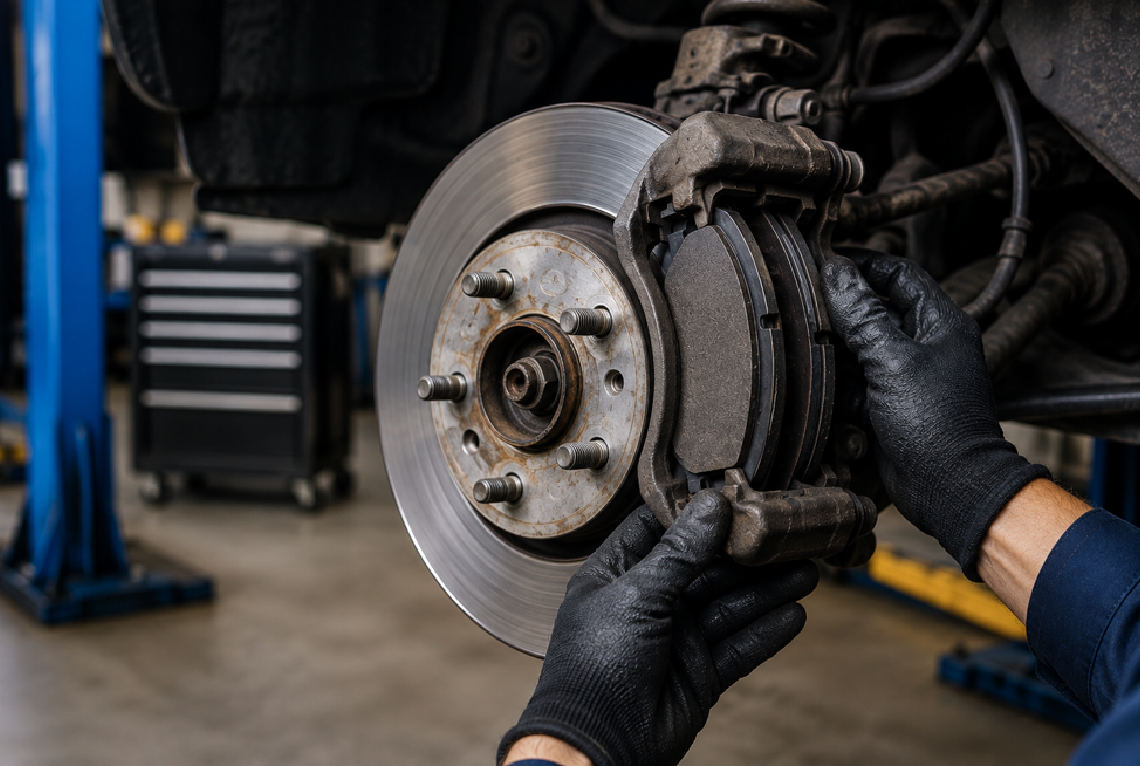
Regular brake inspections allow a qualified mechanic to assess the condition of the braking system and identify components that may require servicing or replacement.
1. Squealing or Grinding Noises
One of the most noticeable signs of brake wear is an unusual noise when braking. A high-pitched squeal can sometimes indicate that brake pads are approaching the end of their usable life.
Grinding noises should not be ignored. They can indicate significant brake component wear and may require immediate professional inspection. Continuing to drive without addressing the problem could potentially result in further damage.
2. Reduced Braking Performance
If your vehicle takes longer than usual to stop or the brake pedal feels different, it is important to have the braking system checked.
Reduced braking performance can have several causes, including worn brake pads, disc problems, brake fluid issues or other faults. A professional assessment can determine what is causing the change and whether brake replacement is necessary.
3. Vehicle Pulling When Braking
Does your car pull to one side when you apply the brakes? This can indicate an issue with the braking system, but it may also be related to tyres, wheel alignment or suspension components.
Rather than assuming the cause, arrange a professional inspection. Identifying the underlying problem can help restore proper braking and handling.
4. Vibrations Through the Steering Wheel
A vibrating steering wheel or brake pedal when slowing down can be a warning sign of a brake-related problem. In some cases, uneven or damaged brake discs may contribute to this sensation.
If vibrations occur consistently during braking, a mechanic should inspect the relevant components to determine whether repair or replacement is required.
5. A Soft or Spongy Brake Pedal
A brake pedal that feels unusually soft, spongy or sinks further than normal should be checked promptly. This may be associated with air or moisture in the brake fluid, hydraulic problems or other braking system faults.
Because brakes are directly related to vehicle safety, changes in pedal feel should never be ignored.
When Should You Consider Brake Replacement?
Not every brake problem requires complete replacement. A mechanic will assess the condition of individual components and determine whether servicing, repair or replacement is appropriate.
Brake pads are designed to wear over time, while discs can also require replacement depending on their condition. Following the vehicle manufacturer’s maintenance recommendations and arranging inspections when warning signs appear can help you stay ahead of brake problems.
Why Choose Professional Brake Service?
Professional brake servicing provides an opportunity to assess the complete braking system rather than simply replacing one component without identifying the underlying cause.
A1 Autos provides automotive servicing and brake-related repairs for motorists in Tweed Heads and surrounding areas. Their mechanics can inspect braking components and recommend suitable maintenance or replacement based on the condition of the vehicle.
If you are experiencing unusual brake noises, vibrations, reduced braking performance or changes in pedal feel, professional inspection is recommended.
How Can You Help Maintain Your Brakes?
Simple driving and maintenance habits can support brake performance. Follow the manufacturer’s recommended servicing schedule, avoid ignoring warning signs and have your brakes inspected if you notice changes in performance.
Allowing a qualified mechanic to identify wear early can help you address potential problems before they become more extensive.
Final Thoughts
Brake wear is a normal part of vehicle ownership, but warning signs should never be overlooked. Squealing noises, grinding, reduced braking performance, pulling, vibrations and changes in pedal feel can all indicate that your braking system needs attention.
If you are looking for Brake Replacement Tweed Heads, professional assessment can help determine whether your vehicle requires new brake pads, discs or other brake repairs. A1 Autos can assist motorists with professional automotive servicing and brake maintenance.
Taking action when you first notice a change can help keep your vehicle’s braking system operating safely and reliably. For more useful advice on maintaining your vehicle, read our next blog: “10 Simple Car Maintenance Tips Every Australian Driver Should Know.”
FAQS
1. What are the signs that my brake pads need replacement?
Common signs include squealing or grinding noises, reduced braking performance, visible pad wear and changes in braking feel. A professional inspection can confirm the condition of your brake pads.
2. How often should brakes be inspected?
Brake inspection intervals vary depending on the vehicle and driving conditions. Having your brakes checked during routine servicing and whenever you notice warning signs is recommended.
3. Can I drive with noisy brakes?
It depends on the cause of the noise. While some sounds may have a relatively minor cause, grinding or persistent braking noises should be professionally inspected before continuing to drive normally.
4. What causes brake vibration?
Brake vibration can have several causes, including brake disc issues, uneven wear or other vehicle problems. A mechanic can inspect the braking system and determine the underlying cause.
5. When should I seek brake replacement in Tweed Heads?
You should arrange professional brake inspection when you experience unusual noises, reduced braking performance, pulling, vibrations or changes in brake pedal feel. A mechanic can determine whether repair or replacement is required.


Comments are closed