



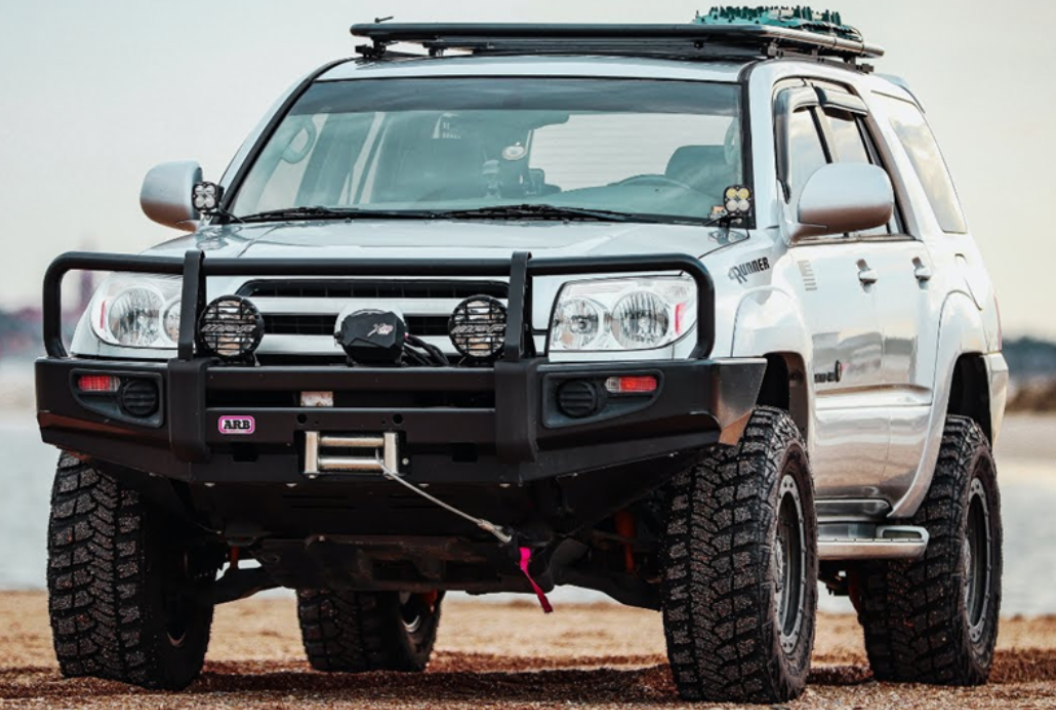
Australia is home to some of the most bucket-list-worthy drives on the planet. Whether you’re dreaming of the red dust of the Oodnadatta Track or the winding coastal views of the Great Ocean Road, a long-distance trip is the ultimate way to see the country.
But here’s the thing: the Outback is beautiful, but it’s also unforgiving. Before you load up the fridge and hit the bitumen, you need to be 100% sure your 4WD is up to the task. To help you get sorted, we’ve put together the ultimate pre-trip checklist for a safe, stress-free adventure.
Give Your Vehicle a Top-to-Bottom Health Check
Don’t wait until you’re 200km from the nearest town to realize something’s wrong. Pop the hood and check the essentials:
- Fluids: Top up your engine oil, coolant, and brake fluids.
- The “Rubber” Bits: Inspect your belts and hoses for any cracks or signs of wear.
- Battery: Make sure it’s holding a solid charge and the terminals are clean. A quick inspection now can save you a very expensive tow truck bill later.
Tyres: Your Most Important Contact Point
Your tyres take a beating on long Aussie hauls, especially if you’re switching between bitumen and gravel.
- Tread Depth: Ensure you’ve got plenty of grip left.
- Pressure: Check it while they’re cold, and remember to adjust for different terrains (lower for sand, higher for highway).
- The Spare: Don’t just bring one—if you’re heading remote, two spares are a lifesaver.
Don’t Play “Fuel Roulette”
In the city, a low fuel light is an inconvenience. In the middle of the Nullarbor, it’s a crisis.
- Map it Out: Know exactly where the roadhouses are.
- Carry Backups: Bring approved jerry cans for that extra peace of mind.
- Watch the Gauge: Remember that a fully loaded 4WD uses more fuel than usual!
Gear Up for the “What Ifs”
Even the most reliable rigs can get bogged or have a minor hiccup. You should always carry:
- A Solid Tool Kit: Basics like wrenches, screwdrivers, and pliers.
- Recovery Essentials: A snatch strap, a sturdy shovel, and traction boards (like Maxtrax).
- Tyre Repair Kit: Plus a portable air compressor to pump them back up.
Keep Your Cool (Literally)
Australia’s heat is legendary, and it’s the number one enemy of your engine. Check your radiator for any leaks and ensure your cooling fan is engaging properly. If your engine starts to struggle in the heat, it’s game over for the trip.
Power Up Your Electronics
Modern 4WDing usually involves a lot of gadgets.
- Check Your Lights: High beams, indicators, and brake lights all need to be crystal clear.
- Dual Battery Setup: If you’re running a fridge or charging cameras overnight, a dual battery system is a game-changer to avoid a dead starter battery in the morning.
Pack Smart, Not Heavy
It’s tempting to bring everything including the kitchen sink, but an overloaded vehicle is harder to handle and thirstier on fuel.
- Weight Distribution: Keep the heavy stuff low and centered.
- Secure the Load: Ensure everything in the back (or on the roof) is tied down tight so it doesn’t become a projectile if you hit a bump.
Stay Connected (Even When You’re Not)
Google Maps is great until you lose service in a gorge.
- Offline Maps: Download your route before you leave.
- Safety First: Tell a mate where you’re going and when you expect to be back.
Sat Phones: If you’re truly “going bush,” consider renting a satellite phone or a PLB (Personal Locator Beacon).
Your Emergency “In-Case-of-Drama” Kit
Safety isn’t just about the car; it’s about you. Always pack:
- A comprehensive First Aid Kit.
- Way more drinking water than you think you’ll need.
- Non-perishable snacks (emergency muesli bars, anyone?).
- A high-quality torch with spare batteries.
10. When in Doubt, Call the Pros
If you aren’t a grease monkey yourself, book your 4WD in for a professional pre-trip service. A mechanic who knows 4WDs can spot a worn bush or a leaking seal that you might miss, giving you the green light to drive with total confidence.
Final Thoughts
Prepping your 4WD isn’t just about ticking boxes –it’s about making sure your holiday is remembered for the amazing views, not a breakdown on the side of the road. Take the time to do it right, and the road will treat you well.
Safe travels, and we’ll see you out there!
FAQs
It’s recommended to service your 4WD at least a week before your trip to allow time for any repairs.
All-terrain tyres are ideal as they provide a balance between on-road comfort and off-road performance.
It depends on your route, but carrying enough fuel for at least 20–30% more than your estimated usage is a safe approach.
Not always, but it’s highly recommended if you’re using accessories like fridges, lights, or camping equipment.
Stay with your vehicle, use your emergency kit, and contact roadside assistance or emergency services if possible.


Comments are closed